
The Ocean Cleanup shifts focus to Southeast Asia ahead of COP31
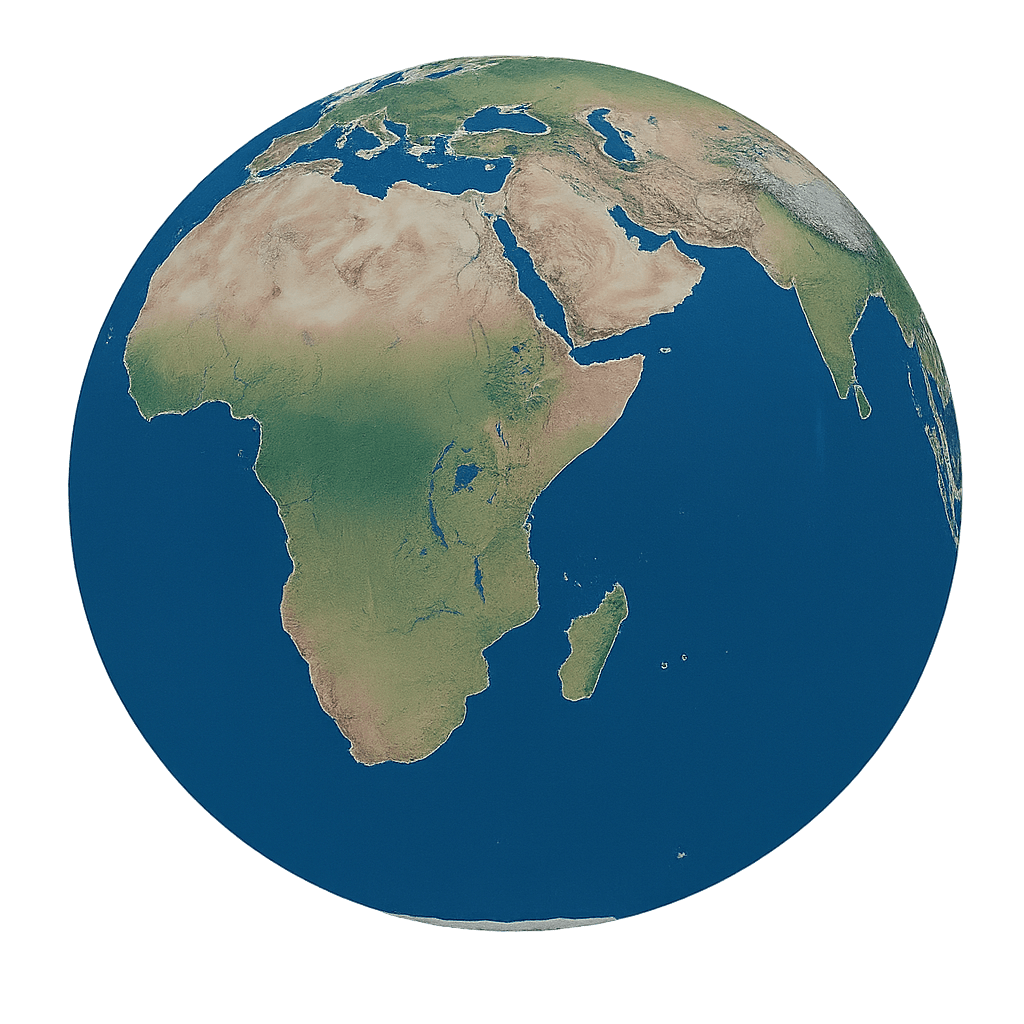
The Ocean Cleanup says it will direct two-thirds of its global intervention to Southeast Asia over the next three years after founder Boyan Slat’s Sydney visit, citing research that most overseas ocean plastic reaching Australia comes from the region. The push comes as Australia prepares to help lead a global ocean health roadmap at COP31 in November.
Why it matters: - The Ocean Cleanup is steering more resources toward Southeast Asia because the region is a major source of the plastic that reaches Australian waters. - The move raises the stakes for Australia ahead of COP31, where the country will help shape a global ocean health roadmap with Türkiye. - The strategy links ocean protection to funding, cross-border cooperation and circular economy policy, not just cleanup technology.
What happened: - The Ocean Cleanup said Australia and the Asia-Pacific are now its primary focus after founder and CEO Boyan Slat visited Sydney last week. - Slat met with funders, researchers and industry leaders in Sydney to discuss ocean plastic across borders. - The organization will direct two-thirds of its global intervention to Southeast Asia over the next three years. - The shift is based on research finding Southeast Asia contributes about 79% of overseas ocean plastic arriving in Australia. - Australia is preparing to co-lead the drafting of a global ocean health roadmap with Türkiye at COP31 in November. - Australia is also continuing work on its Sustainable Ocean Plan.
The details: - The Ocean Cleanup’s peer-reviewed research says around 1,000 rivers carry nearly 80% of the world’s river-borne plastic into the ocean. - The most polluting of those rivers run through Southeast Asia. - Slat headlined the Asia Pacific Circular Economy Hotspot forum in Sydney. - The forum was hosted by the NSW Government and Circular Australia. - The event brought together leaders from government, industry, academia, finance and First Nations organisations. - Speakers included NSW Minister for Climate Change, Energy, Environment and Heritage Penny Sharpe; Circular Australia CEO Lisa McLean; CSIRO Circular Economy Initiative lead Heinz Schandl; and WWF-Australia CEO Dermot O’Gorman. - Representatives from Sydney Water, Woolworths, Fortescue, BlueScope, Engineers Australia and UNESCAP also took part. - Slat’s keynote focused on how Australia can use its ocean health capabilities to accelerate action in Southeast Asia. - Slat pointed to Australia’s blue carbon assets, saying the country hosts 12% of the world’s blue carbon ecosystems and holds 5% to 11% of the global blue carbon stock. - Slat also made the case for The Ocean Cleanup’s 30 Cities Program, which aims to place Interceptor systems in 30 of the world’s most polluting urban river systems by 2030. - The planned 30 Cities footprint includes Jakarta, Tasikmalaya and Denpasar in Indonesia, as well as Malaysia. - The Ocean Cleanup said Australia would have greater credibility at COP31 if it contributes resources, expertise and funding to the cross-border problem of ocean plastic. - Boyan Slat said Australia has the research strength, industry expertise and funding relationships to make a big difference on ocean protection. - Slat also said credibility in negotiations comes from what a country has backed, not what it consumes, and that “action and cash” alongside science and expertise will matter at COP31. - Slat said he wants to connect with Australian investors, researchers, policymakers and industry partners to identify where they can support interception work in the region and globally. - Circular Australia Managing Director and CEO Lisa McLean said a circular economy is how plastic waste is kept out of the environment and designed out from the start. - McLean said product stewardship and design standards make manufacturers and distributors responsible for products at end of life. - McLean said Australia’s circular economy targets, scientific leadership and Asia-Pacific partnerships give it the means to act now.
Between the lines: - The Ocean Cleanup is framing ocean plastic as a regional governance problem, not just an environmental cleanup issue. - The emphasis on Southeast Asia signals a bet that stopping pollution upstream will deliver more impact than focusing only on removal at sea. - Australia is being positioned as a funding and coordination hub because of its scientific base and diplomatic role at COP31. - The repeated focus on “action and cash” suggests the group wants commitments, not just policy language, ahead of the summit.
What’s next: - The Ocean Cleanup will keep engaging Australian investors, researchers, policymakers and industry on regional interception projects. - Australia’s COP31 role in November will test whether the government can translate ocean-health leadership into concrete commitments. - The Ocean Cleanup’s Southeast Asia strategy will roll out over the next three years, with the 30 Cities Program as a key part of the plan.
The bottom line: - The Ocean Cleanup is betting that Australia can boost global ocean credibility by helping fund and scale plastic interception in Southeast Asia before COP31.
Disclaimer: This article was produced by AGP Wire with the assistance of artificial intelligence based on original source content and has been refined to improve clarity, structure, and readability. This content is provided on an “as is” basis. While care has been taken in its preparation, it may contain inaccuracies or omissions, and readers should consult the original source and independently verify key information where appropriate. This content is for informational purposes only and does not constitute legal, financial, investment, or other professional advice.
Sign up for:
Political Reporter Online
The daily local news briefing you can trust. Every day. Subscribe now.
Check Your Email!
We sent a one-time activation link to: .
Confirm it's you by clicking the email link.
If the email is not in your inbox, check spam or try again.
Welcome back!
is already signed up. Check your inbox for updates.